Today I am finishing my review of The Toxic Sandbox by Libby McDonald (click here for part 1, which covers lead, mercury, and plastics). There's a lot of info here, so bear with me.
One of my strongest feelings while reading this book was a mourning for the Earth, who is hurting. Enoch heard the voice of the Earth, bemoaning the uncleanliness of her inhabitants. Today, this surely includes the chemicals and pollution that extend to the far reaches of the globe. I take great comfort in the scriptural prophecies about the Earth, that she will be renewed and glorified, cleansed and sanctified, and will one day rest as a celestial world. The Earth is in the stewardship of everyone who lives on it. God gave it to Adam and Eve, told them to take care of it, and promised them happiness if they did. Caring for the Earth has brought me happiness, too, but I have room for improvement. This book gave me more information about what I can do. Please share any ideas YOU have.
4) PCBs and FLAME RETARDANTS: Old and new carcinogens
PCBs (polychlorinated biphenyls) and PBDEs (polybrominated diphenylethers, used in flame retardants) are compounds that accumulate quickly and persist longterm in both the environment and our bodies. These compounds are fat soluble, and "can linger for decades in the fatty tissues of virtually every living organism on the planet." PCBs were banned in 1977, but PBDEs ("the next PCB") are used in "literally thousands of consumer products."
PCBs and PBDEs are associated with: low birth weight, decreased intelligence, problems with short-term memory, attention deficit disorders, impaired immune function, hypothyroidism, various cancers, and disruption of sex hormones
Probable exposure to PCBs:
- Fish high on the food chain.
- Fat from animals whose diets were supplemented with fish meal, fish oil, and waste animal fats
- Breast milk
Probable exposure to PBDEs (used to inhibit ignition in the case of a fire):
- All of the above, as well as...
- Fabric, such as children's pajamas, which steadily release the compound into the air
- Computer and TVs
- Foam for furniture, upholstery, rugs, draperies, and car interiors
- Household dust, which "accounts for 80% of total daily PBDE exposure for toddlers."
Unborn/nursing babies at risk from levels in mother? Yes. "Because they accumulate in our bodies more quickly than they are excreted, the older we are when we have children, the more PCBs we expose to our babies, both in utero and through our breast milk." PCBs are "particularly toxic to the fetal brain, affecting both short-term memory and a child's ability to concentrate for long periods of time."
PBDEs in North American women's breast milk has been measured at 75 times higher than that of European women. In Sweden, PBDE levels in breast milk were found to double every five years from early 1972 to 1997. Sweden banned PBDEs in 2003, after which levels in Swedish mothers' milk decreased significantly.
Suggested Action for Safety
- Buy meat from grass-fed animals
- Buy wild salmon (not farmed!)
- Avoid fish high on the food chain
- Breastfeed. "Although breast-fed babies test higher for PCBs than babies exposed only in utero, as a group they consistently perform better than formula-fed babies. Indeed, duration of nursing is positively related to health, memory, and language -- in other words, the longer kids nurse, the better of they are. Researchers surmise that this is because breast milk is actually formulated to protect our babies against harmful chemicals."
- Vacuum floors and upholstery regularly with a vacuum (with HEPA filter)
- Wipe dusty surfaces with a wet cloth and mop floors regularly
- Buy children's PJs not labeled as flame-resistant. An alternative is snug-fitting jammies, which allow less air to circulate between the fabric and skin, lessening the chance that it will catch fire.
- Choose furniture, electronics, cars, and carpets not treated with flame retardants. There are lists of PBDE-free companies at www.thegreenguide.com.
- Contact manufacturers and let them know you will not buy their products until they stop using PBDEs.

5) AIR POLLUTION: Dirty air harms our children's brains
Children are very vulnerable to air pollution. Their small airways are "susceptible to closing up when irritated or inflamed;" they inhale "higher doses of air pollutants per pound of body weight;" and they spend more time running and playing outside "when smog is at its worst." The most harmful culprits affecting our air are particulate matter (PM), polycyclic aromatic hydrocarbons (PAH), and ozone (aka smog... not the ozone in the stratosphere).
Associated with: increased onset of asthma, reduced head circumference, lower IQ, slight increase of SIDS, low birth weight, premature births, retarded lung growth, cancer
Probable exposure to PM (the most dangerous specks of pollution that we breathe; can pass through lungs into the bloodstream):
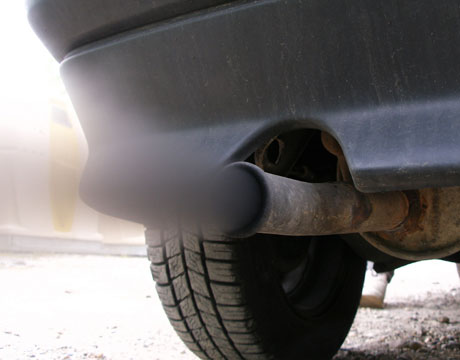
- Diesel trucks, buses, and cars (especially SUVs)
- Inefficient home heating systems and home fireplaces (indoor and outdoor)
Probable exposure to PAH (a family of more than 100 chemicals formed during the burning of gas, diesel fuel, oil, coal, wood, tobacco, and garbage):
- All motorized vehicles
- Power plants
- Fossil fuels and wood combustion (even backyard BBQs)
- Cigarette smoke
Probable exposure to ozone (that yucky toxic haze):
- "Formed when raw ingredients from tailpipes, smokestacks, gas stations, paint, refineries, and chemical plants come into contact with heat and sunlight" (i.e. filling up your car on a hot, sunny day can contribute to the layer of smog)
Unborn/nursing babies at risk from levels in mother? Yes. One doctor researched PAHs (which attach to chromosomes and can be counted in white blood cells) in umbilical cord blood, concluding that "the higher the hydrocarbons in a mother's air, the more frequent the abnormalities seen in an infant's chromosomes." Exposure to PAHs in utero has been linked to lower scores on mental development.
Suggested Action for Safety
- Cut down on driving your car.
- Do not idle your car.
- Keep your car in good running order and drive a low-emission car if possible.
- Replace lightbulbs with energy-saving bulbs
- Make your indoor environment lung healthy: no smoking, clean regularly to reduce dust/insect droppings, fix leaks/moisture issues that might cause mold, reduce usage of woodstoves/fireplaces.
- Limit outside time on high-ozone days.
- Keep outdoor activities as far as possible from heavily trafficked roads.
- Look for warning signs of undiagnosed asthma (prolonged, regular bouts of coughing, shortness of breath when playing sports/exercising)
- Breastfed babies are less likely to develop asthma and allergies than formula-fed babies
- If your child has asthma, have his particular allergens identified by a specialist and take measures to avoid them
- If your child rides the bus to school, help regulate school buses:
- Ask administrators/school board what obstacles need to be cleared to prohibit the idling of school buses (and other vehicles) outside your child's school.
- Designate the newest/cleanest buses to the longest routes and field trips.
- Do not allow buses to closely follow each other. Stagger departure times.
- Keep buses maintained
- Work with community leaders. Be willing to help bring about the changes you seek!

6) PESTICIDES: Which foods are safe?
In 2000, the Environmental Protection Agency (EPA) banned some organophosphate pesticides, one of the most dangerous pesticides to human health, significantly decreasing their levels in children. "Nonorganic farmers use around 200 approved chemicals on their crops. Children who eat a conventional [nonorganic] diet are exposed every day to tiny amounts of more than 30 chemical pesticides designed to poison insects."
Associated with: cancer, birth defects, kidney damage, liver damage, reproductive disorders, also...
Case Study: In 1993, Dr. Elizabeth Guillette, an anthropologist from the University of Florida, "traveled to northwestern Mexico, where a tribe of Yaqui Indians had split up in the late 1940s." One group stayed in the valley, where pesticide-ridden fields bordered the town. "The other group moved to the foothills, where they practiced traditional ranching methods free of chemicals. The children provided a perfect study subject in that the two groups shared a genetic background, diet, and cultural practices." Dr. Guillette tested them several times, and this is what she learned:
- 4 and 5-year-olds: pesticide-exposed children "repeatedly scored lower in the tests designed to measure stamina, gross and fine motor skills, eye-hand coordination, thirty-minute memory, and the ability to draw a person."
- 6 and 7-year olds (same children): pesticide-exposed children "on the whole had an inferior sense of balance, difficulty solving easy puzzles, and poor hand-eye coordination. Perhaps related to these low ability levels, they were easily frustrated and had trouble completing tasks."
- Prepubescent girls: pesticide-exposed girls had early breast development, with no mammary tissue in the developing breasts; the pesticide-free girls had some breast development with a normal correlation of fat deposits and mammary tissue. "Dr. Guillette inferred that the girls' abnormal breast development was most likely caused in utero. Mammary gland tissue is first laid down at six to eight weeks and then again at twenty weeks. If pesticides somehow inhibited the proper development of mammary tissue, when these girls... become mothers they will be unable to breastfeed their babies."
Probable exposure:
- Nonorganic food (accounts for 80% of exposure)
- Drinking water
- Home pesticides for insect and rodent control
Unborn/nursing babies at risk from levels in mother? Yes, as in case study above. Another doctor (Dr. Xiaomei Ma) studied the correlation between pestides and childhood leukemia, finding that children with leukemia are twice as likely to have been exposed to pesticides applied by professional pest control services. "The study also showed that risk of leukemia is significantly elevated if the application occurred when a child was in utero."
Suggested Action for Safety
- Eat organic food. McDonald cites one study that concluded: "an organic diet provides a dramatic and immediate protective effect against pesticide exposure." The USDA regularly tests samples of organic and nonorganic fresh and processed foods for pesticide residues. The Environmental Working Group used the USDA's results of more than 100,000 pesticide tests on produce between 1992 and 2001 to develop a ranking of contamination by type of produce. Here is what they learned:
- Highest pesticide contamination (buy organic!): apples, bell peppers, celery, cherries, imported grapes, nectarines, peaches, pears, potatoes, red raspberries, spinach, and strawberries.
- Lowest pesticide contamination: asparagus, avocados, bananas, broccoli, cabbage, kiwi, mango, onions, papaya, pineapple, frozen sweet corn, and frozen sweet peas.
- Avoid food imported from other countries, even if it is organic. Though they have to meet the same federal standards as domestic produce, there is a debate as to whether or not the FDA is aggressive enough.
- If you buy baby food, be sure it's organic.
- Use non-chemical methods (integrated pest management, or IPM) for deterring insects and rodents in the home:
- Make your house unappealing to insects/rodents: sponge down spills, eliminate clutter, seal food in containers, don't leave food out overnight, be aware that pet food can also attract bugs/rodents
- Keep home well maintained: repair leaky faucets or pipes, block all holes into home by caulking cracks/crevices, make sure there are no gaps where pipes pass through walls/floors
- Set traps at night when pests are most active (try peanut butter in trap)
- When necessary, use least toxic alternatives
- Be very wary about using chemicals on your lawn and garden where people walk and play. These can also be tracked in to your home and leach into your groundwater.

Additional thoughts from me:
- I've been concerned about a dangerous new pesticide, methyl iodide, recently approved for use on California's strawberry crop (we supply 90% of the nation's strawberries). The decision is under review, but just in case the regulators fail to be dissuaded, I second McDonald's urge to buy organic strawberries, especially if they're from California.
- Last year I was reading Cure Tooth Decay, a fascinating book by Ramiel Nagel. Regarding pesticides, he wrote: "Pesticides can be deadly, and they do get trapped in the body. These chemicals often cannot just be washed off the food because many pesticides are designed to be systematically present in every cell of the food. Foods that are not organic also contain intentional chemical food additives, many of which have never been carefully tested for safety. A recent study, published in Environmental Health Perspectives, documents how pesticides from fruits and vegetables rapidly appear in children's saliva and blood stream after being eaten. It is now a proven fact that the poison sprayed on food will enter your body."
- Though McDonald has explored some of the main toxins threatening children today, this book doesn't scratch the surface. She writes, "...given the pace at which new chemicals enter the marketplace (in the United States about 1,500 new chemicals are unleashed into the environment every year), this book will probably have to be written all over again before today's schoolchildren graduate." I am happy, however, to have more keys and be more alert than I was before.
With every fiber of my being, I believe that what we eat can keep us well, fortify us against disease, and cleanse us from environmental toxins. Though it takes vigilance and planning, it is incredibly worthwhile. Eating whole, real foods, properly prepared, is the best health insurance that exists. The information in The Toxic Sandbox might make us feel rather helpless, but we have so much more control over our health than we are led to believe, just by eating real.